
Symptoms
The usual onset of the disease is between the ages of 15 and 30 years but it can arise at any age. People tend to suffer from the symptoms for many years before they are diagnosed. The main symptoms of Crohn’s disease include diarrhoea (which may contain blood), pain in the abdomen, weight loss and fatigue.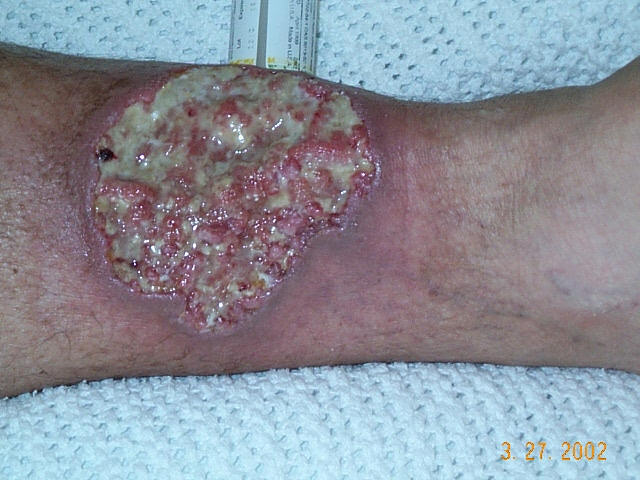
The part of the intestine which is affected by the disease will be where the abdominal pain is felt. The condition most commonly affects the ileum so pain is usually experienced on the lower right side of the abdomen.
Weight loss usually occurs due to a loss of appetite caused by the pain and diarrhoea, and a reduced ability to digest food because of the inflammation.
Rectal bleeding can be quite serious and can possibly lead to anaemia due to vitamin B12 deficiency. This occurs because there is reduced absorption of vitamin B12 in the ileum.

Some other less common symptoms include – arthritis (inflammation of joints), uveitis (inflammation of eye), nausea, vomiting, high temperature and skin rashes. Blockage of the intestine can occur due to swelling of the intestinal wall.
Fistulas are a common complication and they tunnel through to the surrounding tissue of affected areas to form sores and ulcers, usually around the rectum and anus.
Some other possible complications include the skin conditions Erythema nodosum (red nodules usually found on lower legs) and Pyoderma gangrenosum (ulcers usually found on legs or arms).
Children who develop Crohn’s disease around the time of the growth spurt in puberty can suffer from retardation of growth.
Erythema nodosum image courtesy of Wikipedia under creative commons license
Pyoderma gangrenosum image courtesy of Wikipedia
Did you know?
The condition can affect anywhere in the gastrointestinal tract between the mouth and the anus but the ileum is most frequently affected.